
WHAT'S NEARBY?
In Tuscany natural and artistic attractions are abundant no matter where you are and the area around Chiusdino is no exception. From Siena (30 mins) to Montalcino (1hr), Florence (1,20mins) the multiple point of interest areas along the way are endless. Also in about an hour's drive you can completely change scenery and be by the lovely beaches of Marina di Bibbona, Castagneto Carducci, Baratti, Follonica, Punta Ala, and Castiglione Della Pescaia. And we already mentioned the uniqueness of San Galgano Abbey just down the street, but investors in recent years saw the enormous potential and created or brought back to life wonderful estates around Chiusdino that became major luxury attractions for tourists all over the world, such as the ones below.
In Tuscany natural and artistic attraction are abundant no matter where you are and the area around Chiusdino is no exeption. From Siena (30 mins) to Montalcino (1hr), Florence (1,20mins) the multiple point of interest areas along the way are endless. Also in about an hour drive you can completely change scenery and be by the lovely beaches of Marina di Bibbona, Castagneto Carducci, Baratti, Follonica, Punta Ala, and Castiglion Della Pescaia. And we already mentioned the uniqness of San Galgano Abbey just down the street, but investors in recent years saw the enourmous potential and created or brought back to life wonderful estates around Chiusdino that became major luxury attractions for tourists all over the world, such as the ones below.


Relais Borgo
Santo Pietro
Originally from Denmark, but moved to Tuscany after many years spent in London, Jeanette and Claus Thottrup created one of the most exclusive and best luxury accomodations in the world, Relais Borgo Santo Pietro, included in the Condé Nast Traveler 2021 Gold List among other prestigious accolades.
The Relais Borgo Santo Pietro is only 8 minutes drive from our property. Not far from the famous Via Francigena — the historical route from Canterbury to Rome and to the Holy Land beyond — the Borgo Santo Pietro was used as a lazzaretto (quarantine house) back in medieval times, offering rest, health and recuperation to medieval pilgrims. Under the stewardship of the Knights Templars, from 1185 onwards pilgrims would detour to the nearby Montesiepi Hermitage to pay homage to the tomb of Templar Knight San Galgano and witness his miraculous sword in the stone.
Its flourishing organic farm, culinary and herb gardens and artisan cheese dairy provide the inspiration and ingredients for its ‘farm to plate’ philosophy, which guests can enjoy at its two Michelin-starred restaurants Meo Modo and La Bottega del Buon Caffè; or at its Sull’Albero Trattoria, Brasserie & Bar; or in the hands-on the Borgo Cooking School. A sense of integrated wellness and total relaxation permeates the hotel and estate, with a holistic spa and adjacent skincare laboratory that produces Borgo Santo Pietro’s own range of 100 percent natural skin products alchemized from the land itself.
Originally from Denmark, but moved to Tuscany after many years spent in London, Jeanette and Claus Thottrup created one of the most exclusive and best luxury accomodations in the world, Relais Borgo San Pietro, included in the Condé Nast Traveler 2021 Gold List among other prestigious accolades.
The Relais Borgo San Pietro is only 8 minutes drive from our property. Not far from the famous Via Francigena — the historical route from Canterbury to Rome and to the Holy Land beyond — the Borgo San Pietro was used as a lazzaretto (quarantine house) back in medieval times, offering rest, health and recuperation to medieval pilgrims. Under the stewardship of the Knights Templars, from 1185 onwards pilgrims would detour to the nearby Montesiepi Hermitage to pay homage to the tomb of Templar Knight San Galgano and witness his miraculous sword in the stone.
Its flourishing organic farm, culinary and herb gardens and artisan cheese dairy provide the inspiration and ingredients for its ‘farm to plate’ philosophy, which guests can enjoy at its two Michelin-starred restaurants Meo Modo and La Bottega del Buon Caffè; or at its Sull’Albero Trattoria, Brasserie & Bar; or in the hands-on the Borgo Cooking School. A sense of integrated wellness and total relaxation permeates the hotel and estate, with a holistic spa and adjacent skincare laboratory that produces Borgo Santo Pietro’s own range of 100 percent natural skin products alchemized from the land itself.


Castello Di Casole
Castello Di Casole, also owned by renowned cinematographer Luchino Visconti, was recently acquired and developed as a resort by Belmond Ltd. and it's 20 mins drive from the property.
It's a wonderful estate that spans 1,500 hectares in the countryside of Casole d'Elsa, which sits at only 15 mins from our Chiusdino property. LVMH Hotel Management French luxury behemoth Louis Vuitton Moet Hennessy (LVMH), acquired in December 2018 the London-based luxury hotel group Belmond. LVMH, the parent company of fashion houses including Christian Dior, Marc Jacobs and Givenchy, just recently expanded its empire in the hospitality business, which currently includes the Bulgari hotel brand, as well as Cheval Blanc.
Abbazia di Monte
Oliveto Maggiore
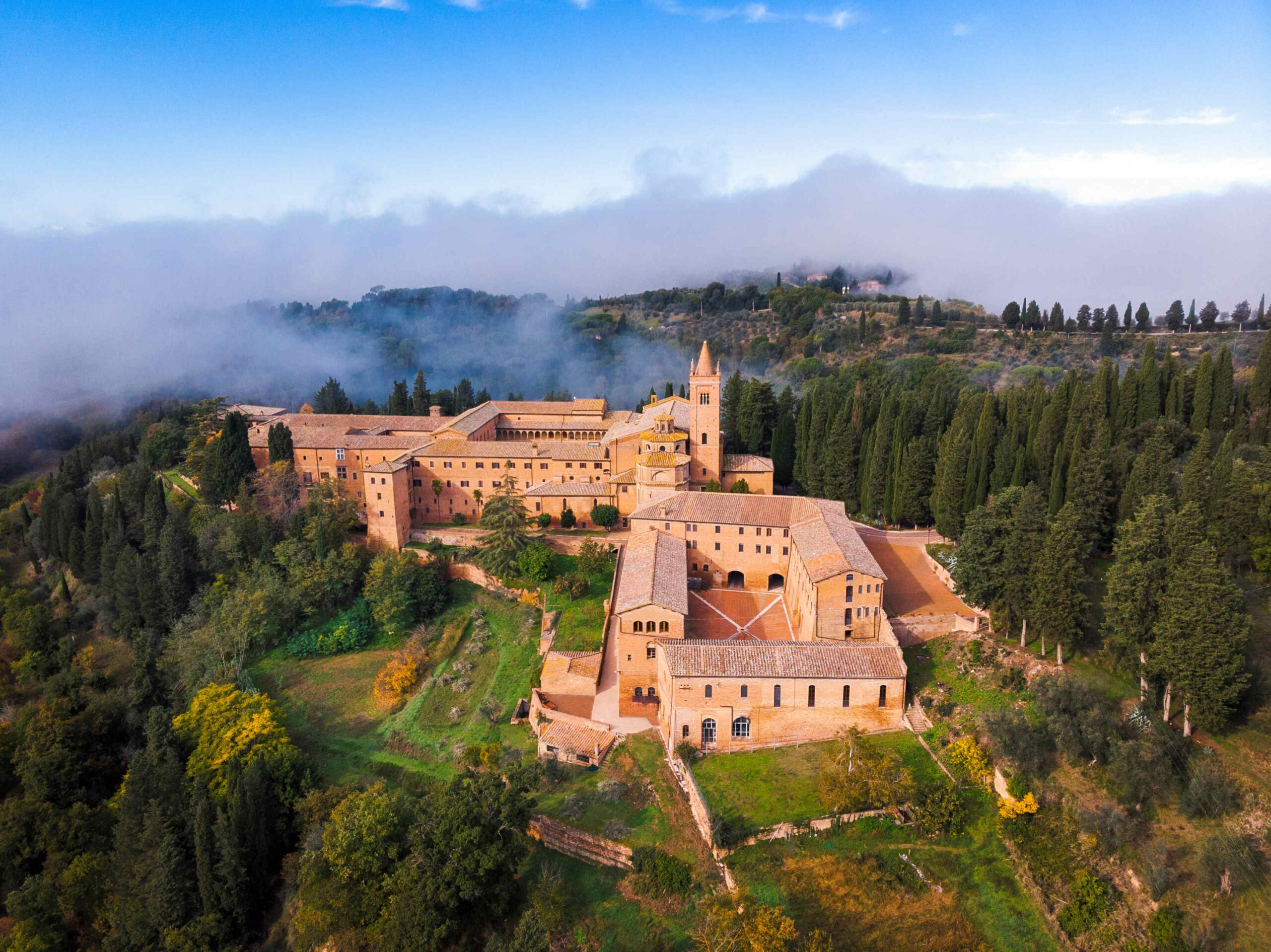
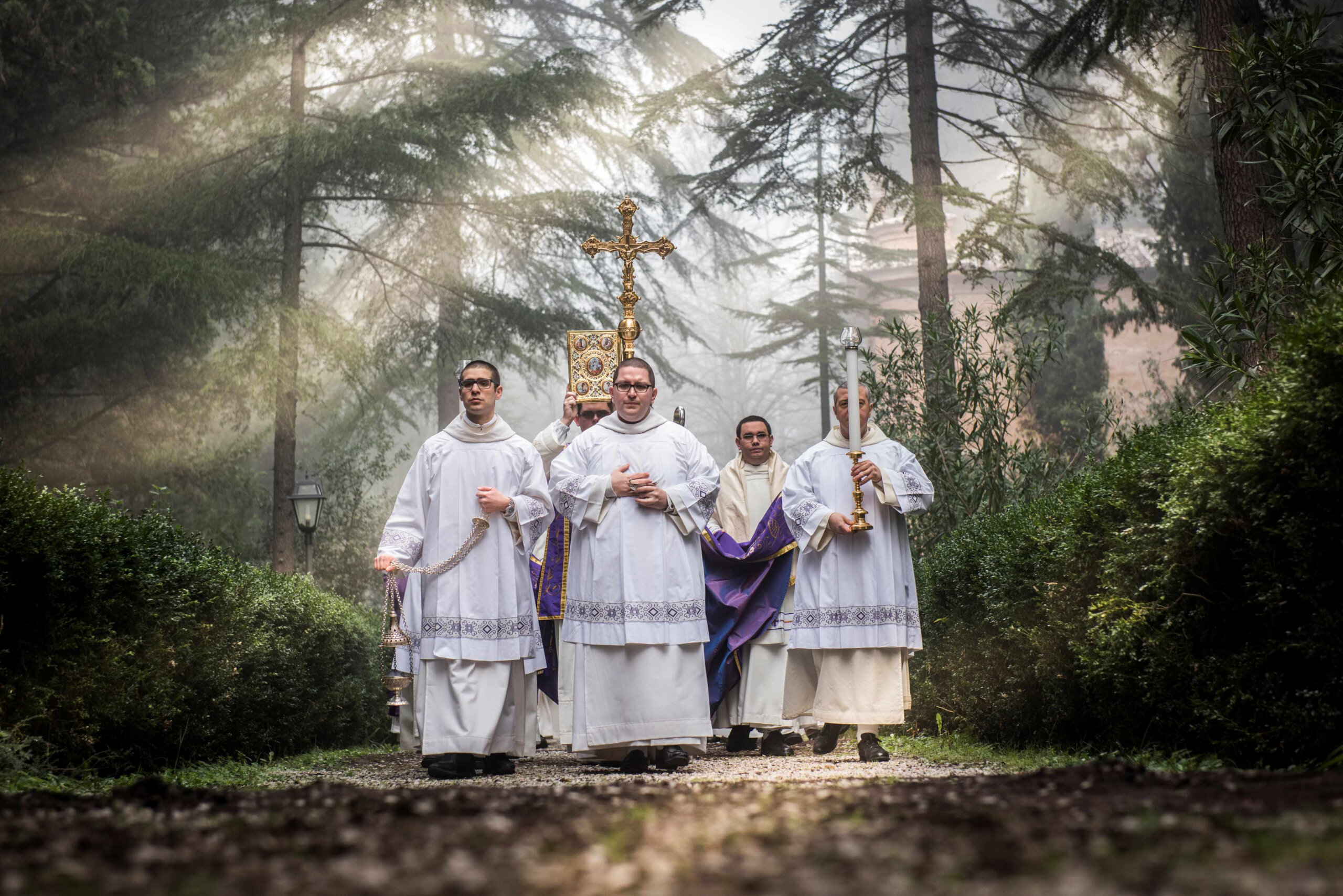
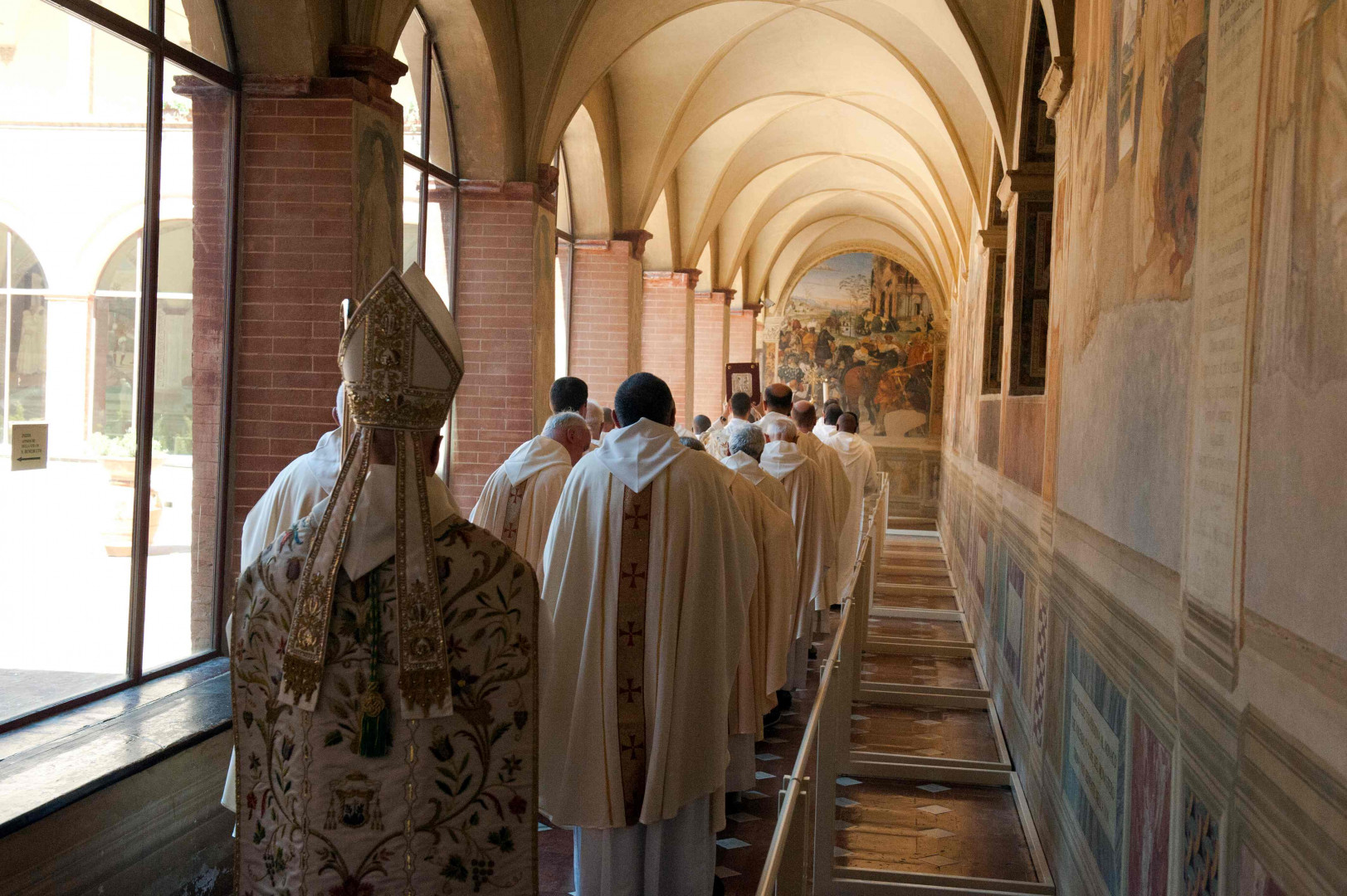
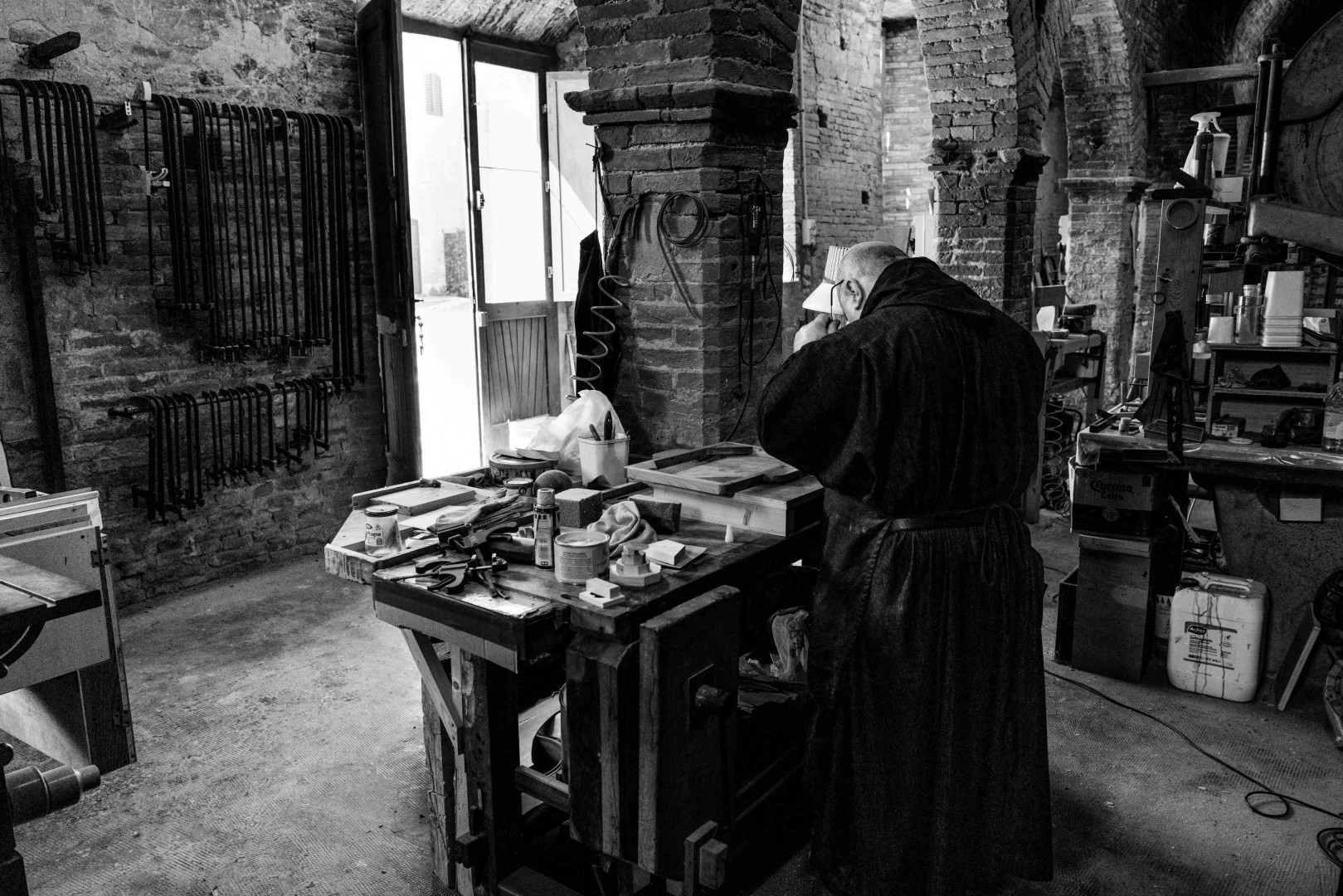
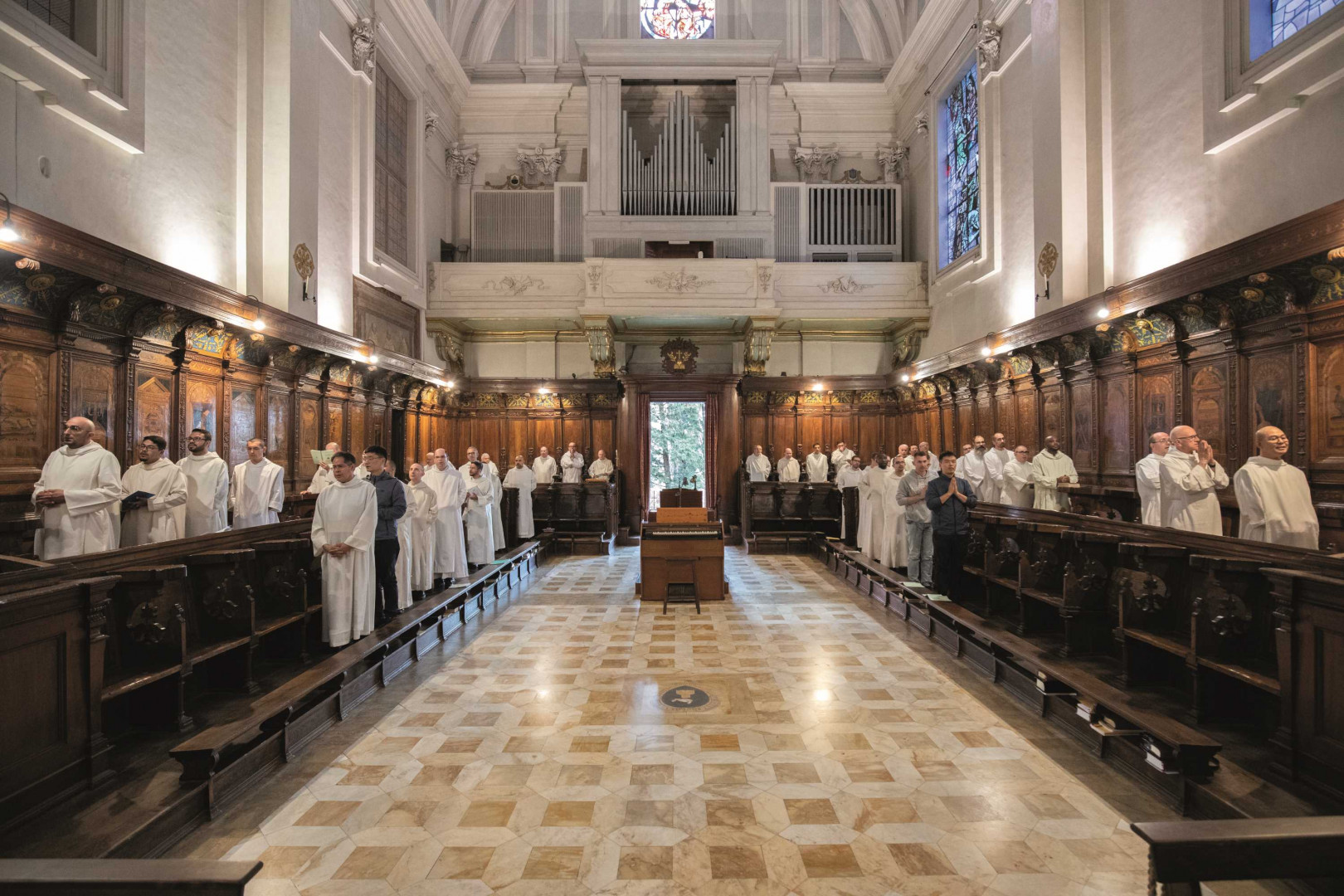
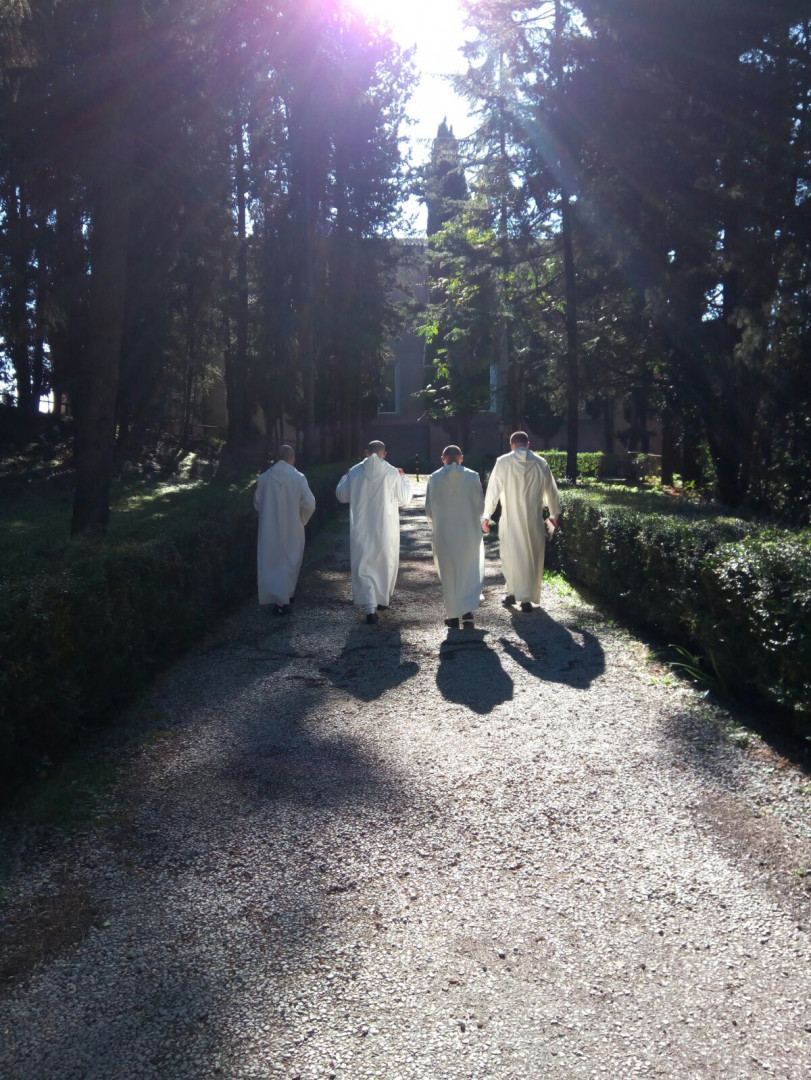
This Olivetan Benedictine monastic community has lived uninterruptedly for over seven hundred years at the Abbey of Monte Oliveto Maggiore.
Today, it is composed of about thirty monks who live communally under a Rule and an Abbot, following a daily rhythm of prayer and work.
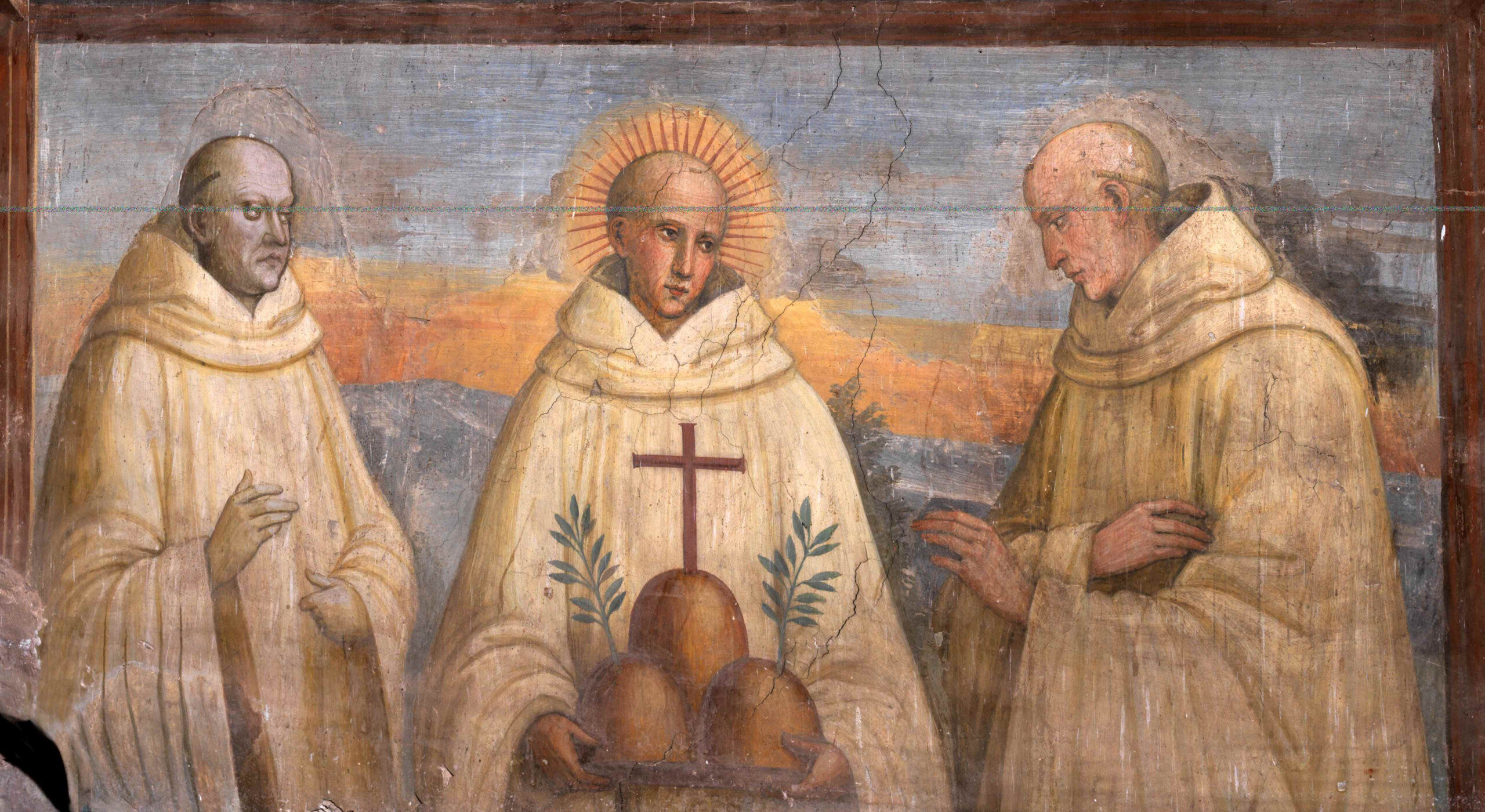
Founded in 1319 by the Sienese nobleman Giovanni Tolomei, later known as San Bernardo Tolomei, the large monastic complex of Monte Oliveto Maggiore extends along the crest of a hill in the heart of the Crete Senesi and is known as a "city in the form of a monastery" due to the size of its buildings.
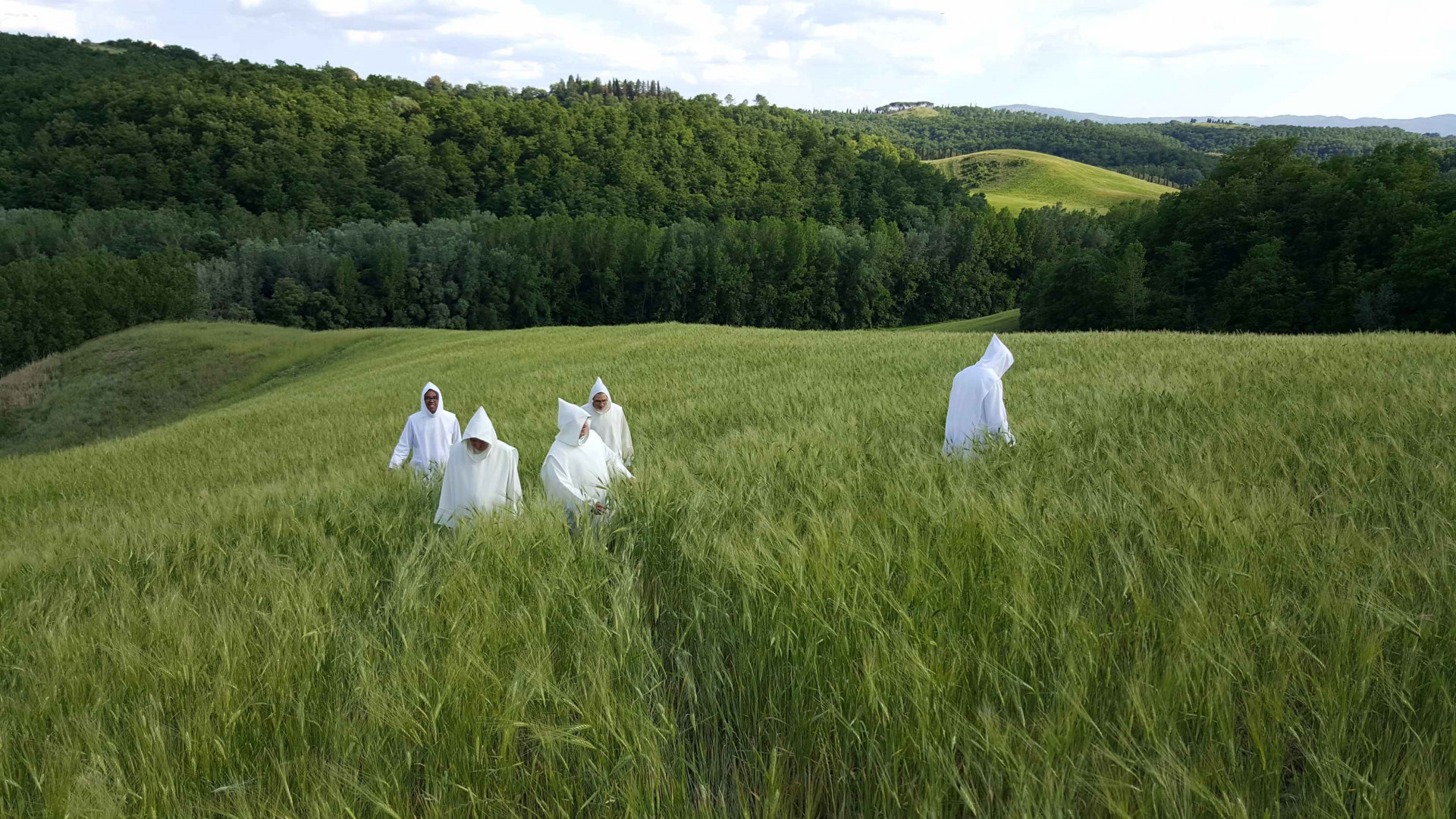
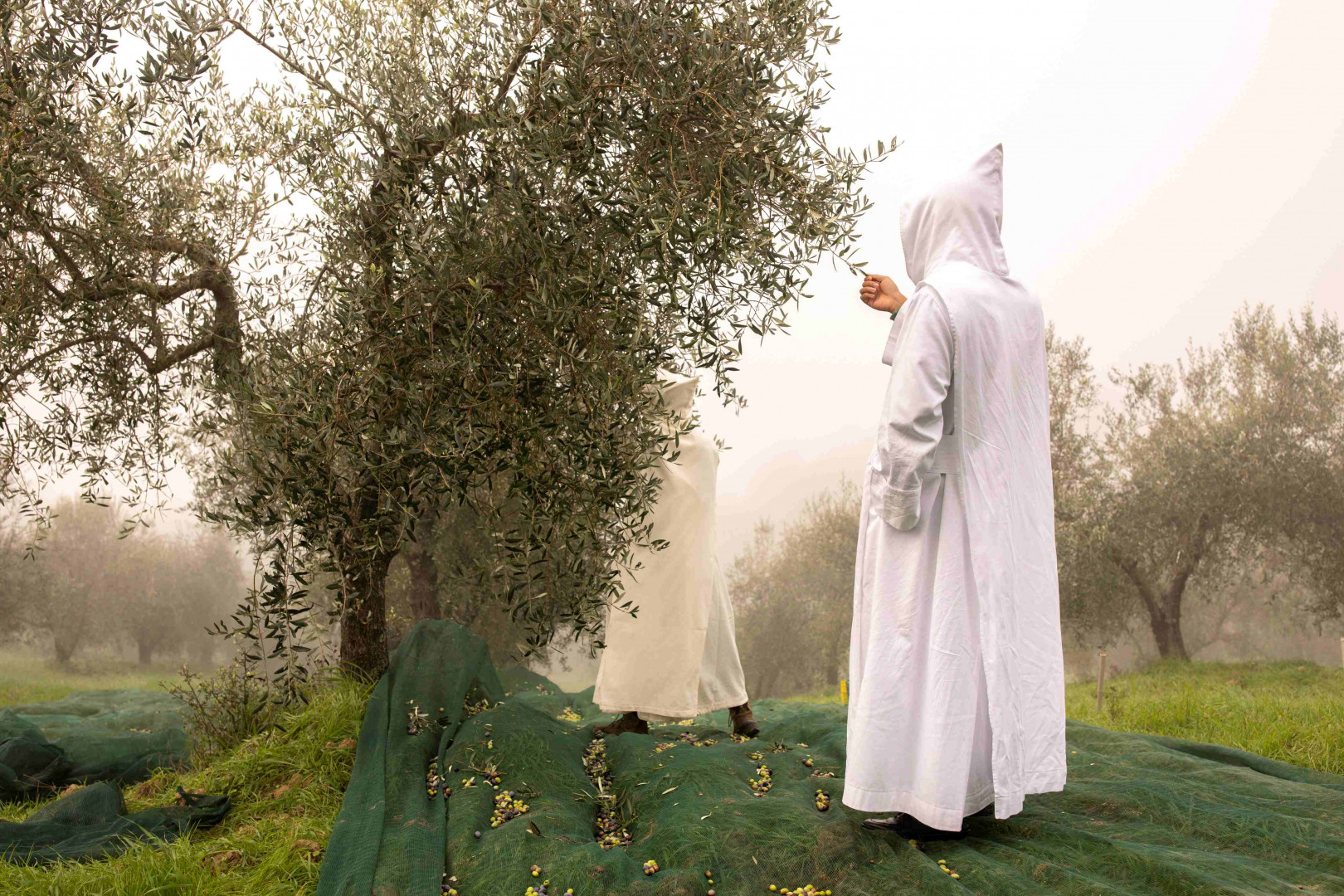
Over the centuries, the monks' work has significantly altered the surrounding area, originally uninhabited and wild, turning it into an oasis of natural beauty, peace, and spirituality.
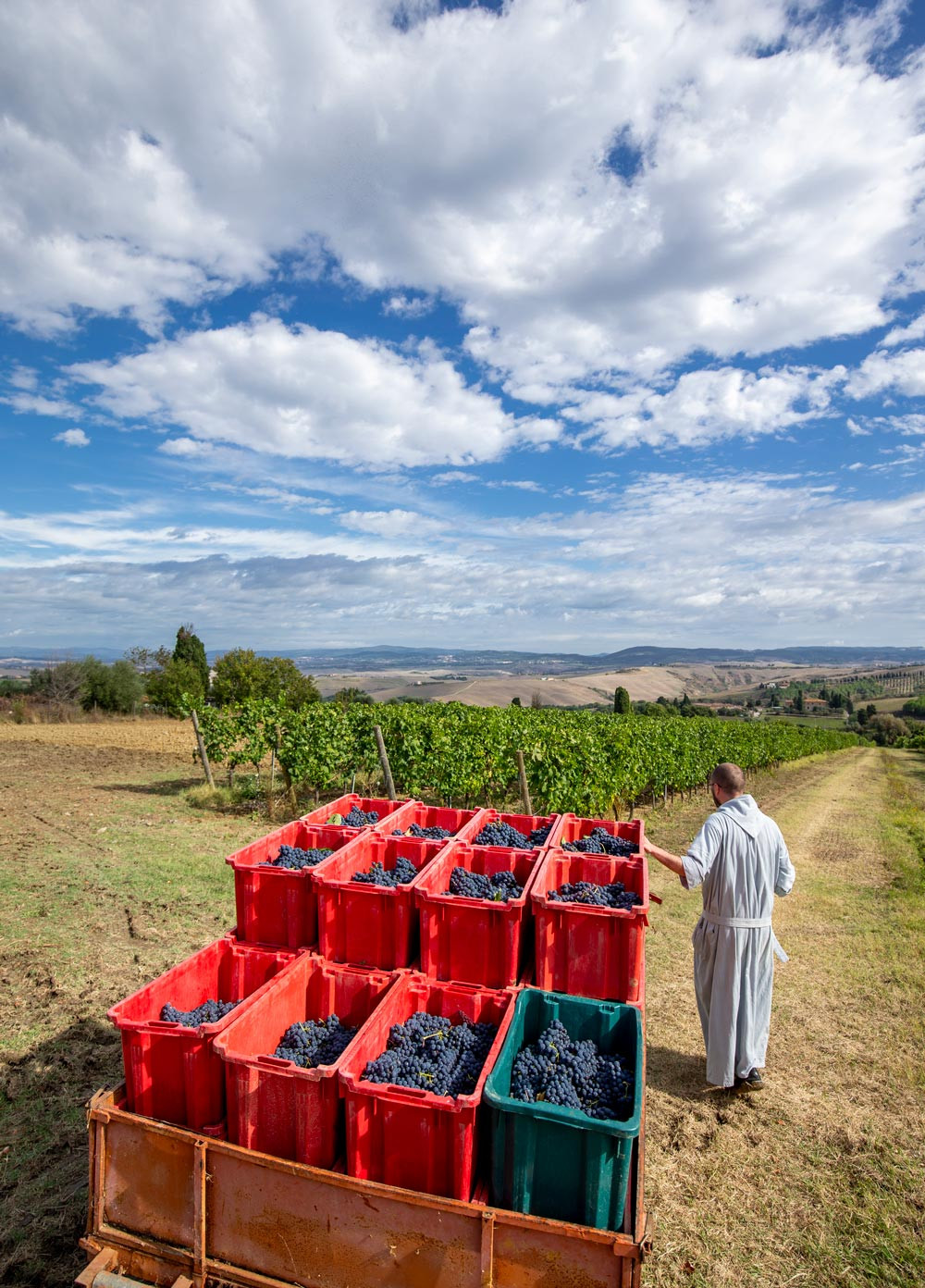
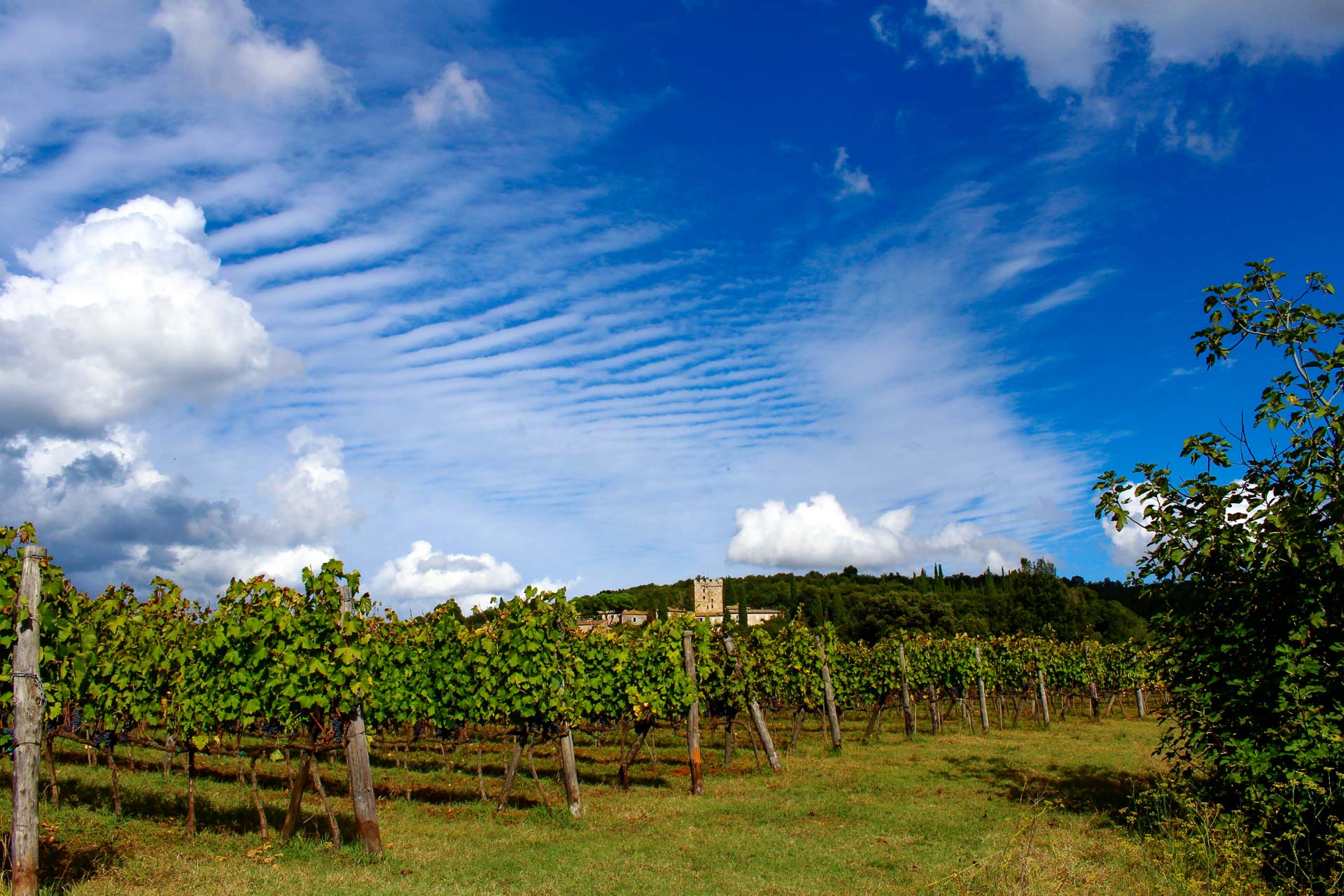
Today, a beautiful countryside surrounds the monastery, where cultivated fields, vineyards, olive groves, and woods alternate with a "lunar" landscape marked by ravines and natural cliffs .
The origins of the Monte Oliveto Maggiore agricultural estate can be traced back to its founder, Saint Bernardo Tolomei, because on March 26, 1319, he himself made available, as a dowry for the foundation of the new Benedictine Abbey, his lands—16 hectares (200 iugera) in the territory of Accona, now the district of Chiusure, along with those of Patrizio Patrizi in Melanino. In the following decades, thanks to donations and dowries from new members, a sufficient estate was built up for the life, development, and spread of the new monastic institution. The Olivetan monk Fra Lando di Feo of Arezzo left us, in the invaluable codex known as the Protocol or Book of Abbreviations, a list of the properties owned by the Abbey of Monte Oliveto, year by year, from October 16, 1348, until 1370.
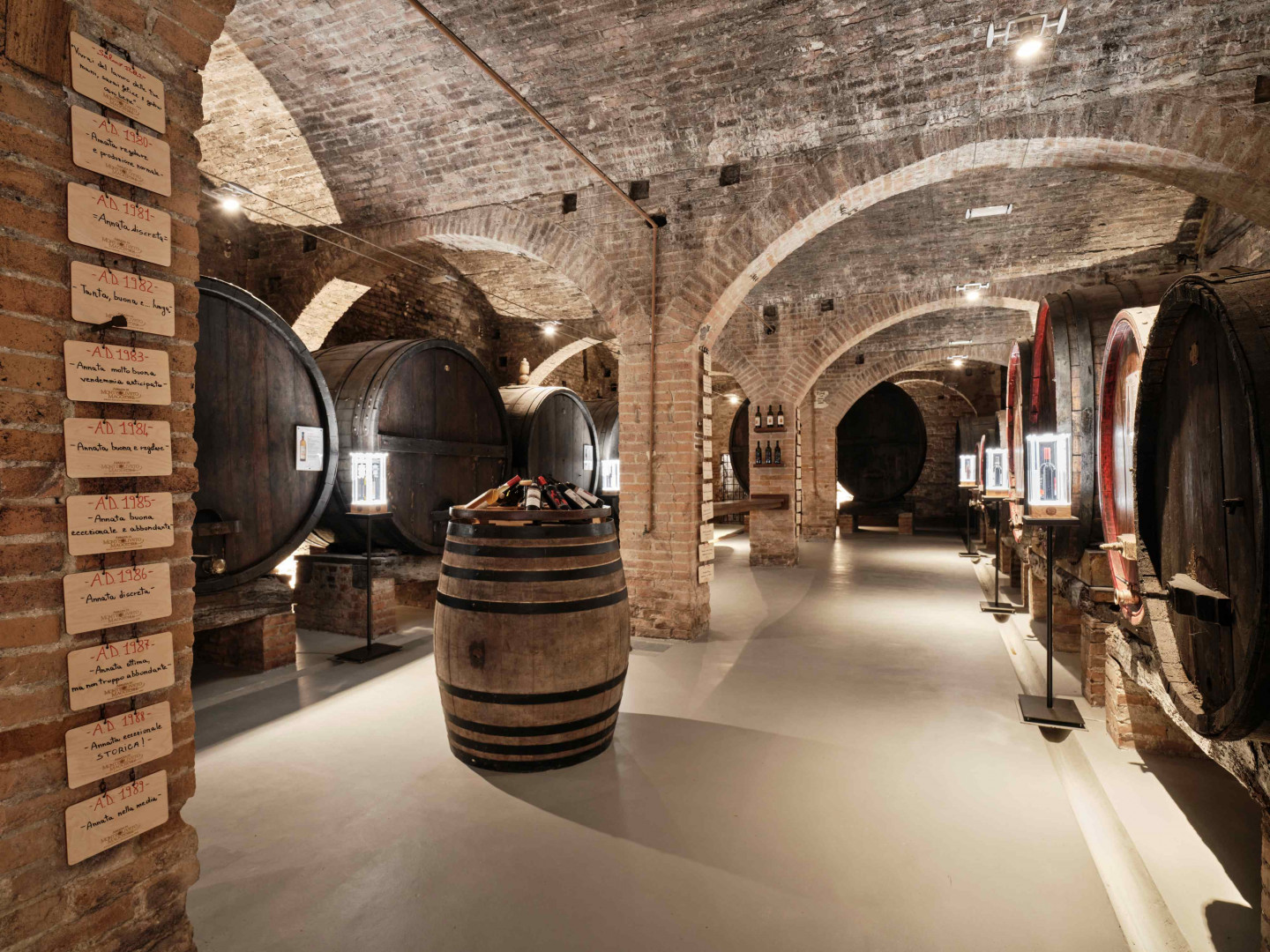
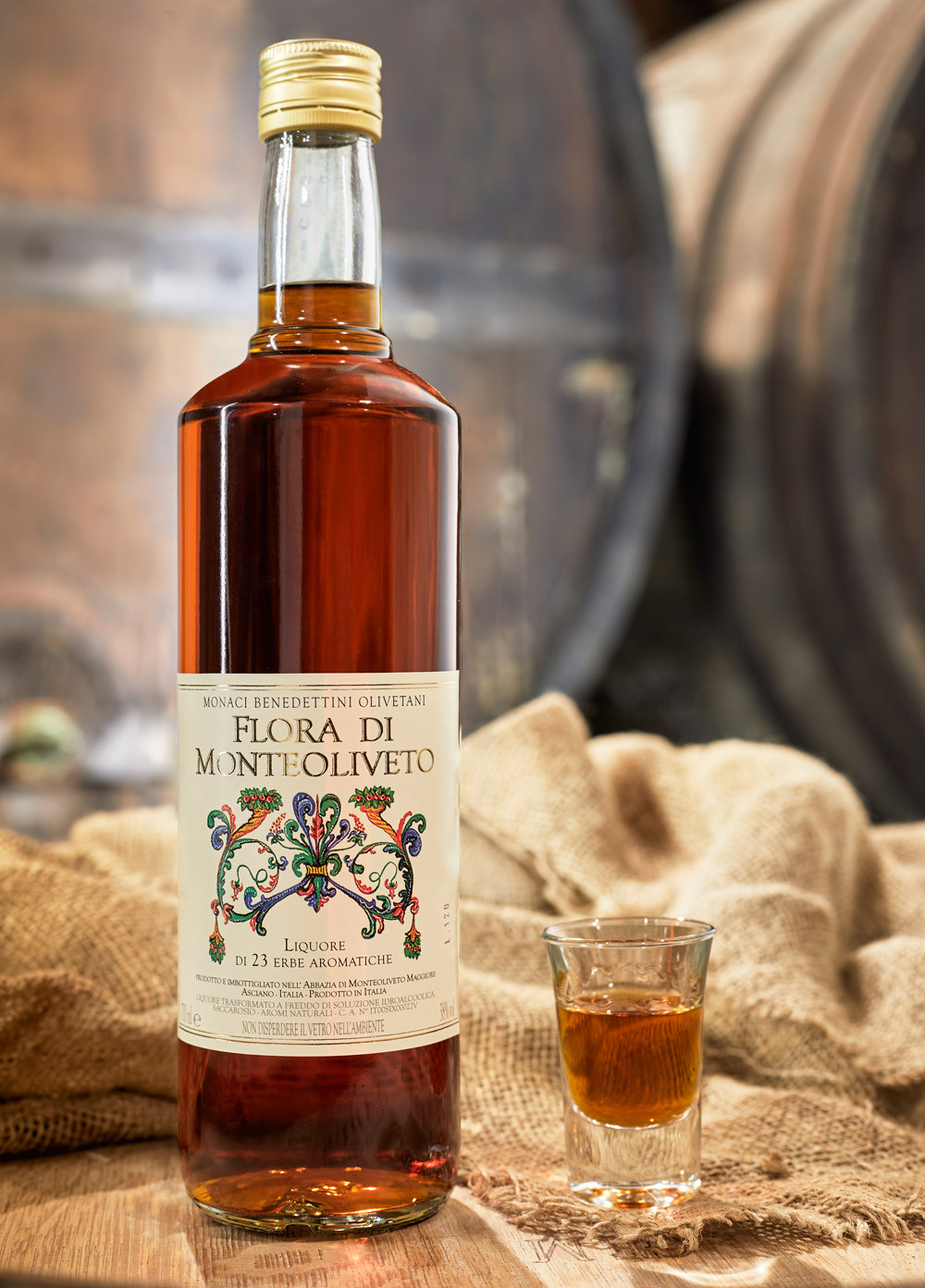
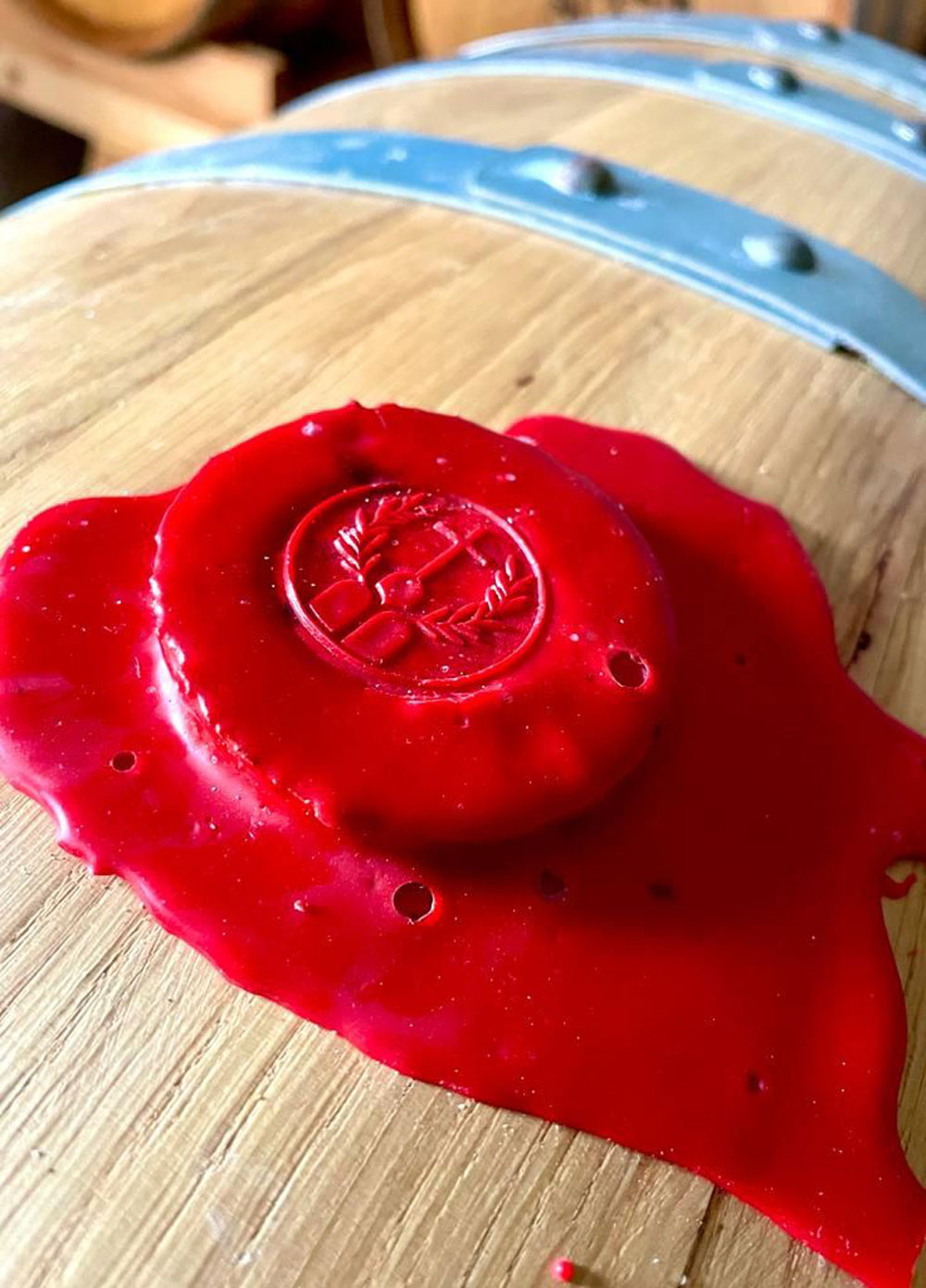
References to the monks' agricultural activity, particularly the cultivation of vines, are attested in historical sources from the very beginning, in the founding bulls, and in the chronicles of the Monastery's origins.
Tenuta di Spannocchia
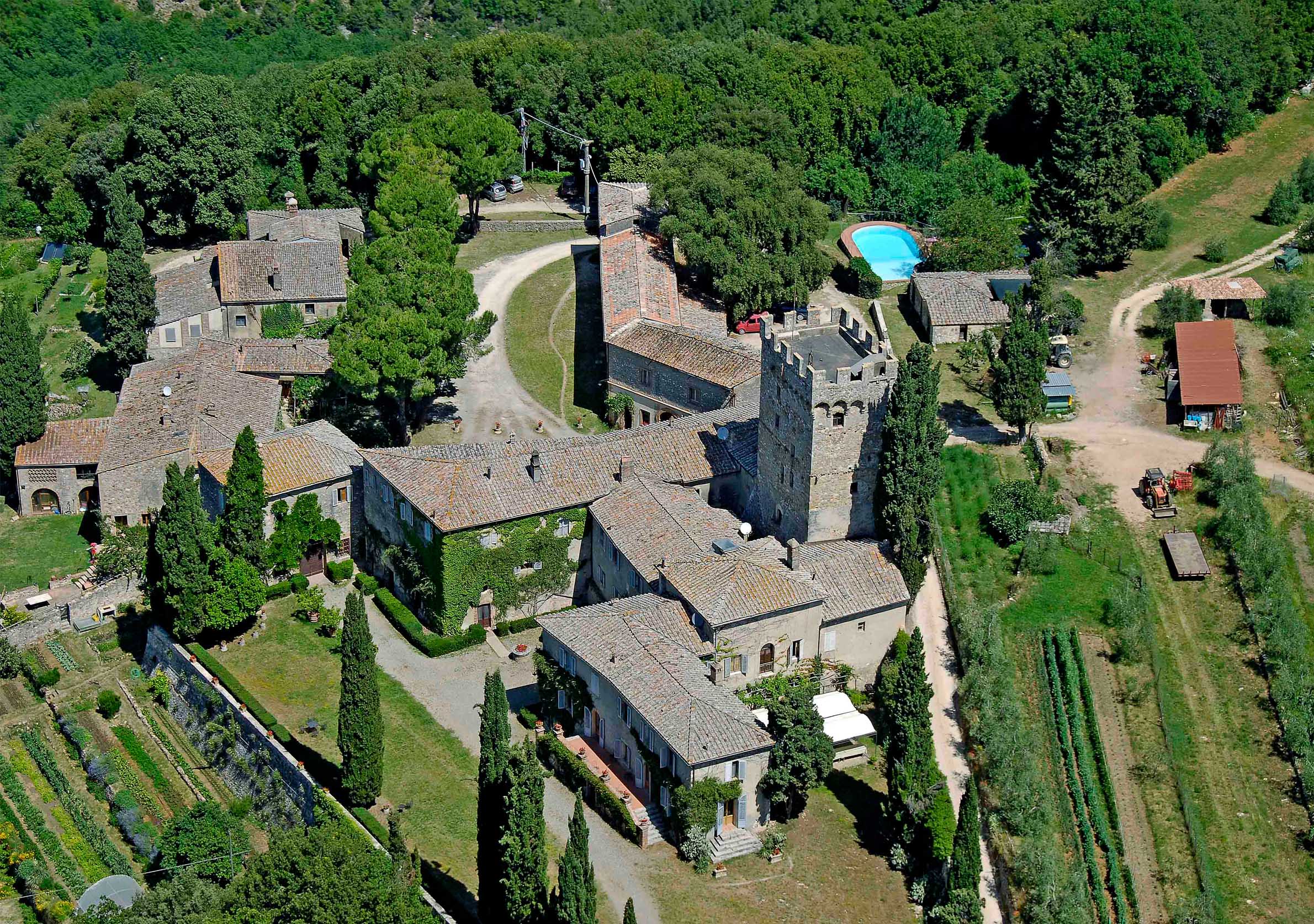
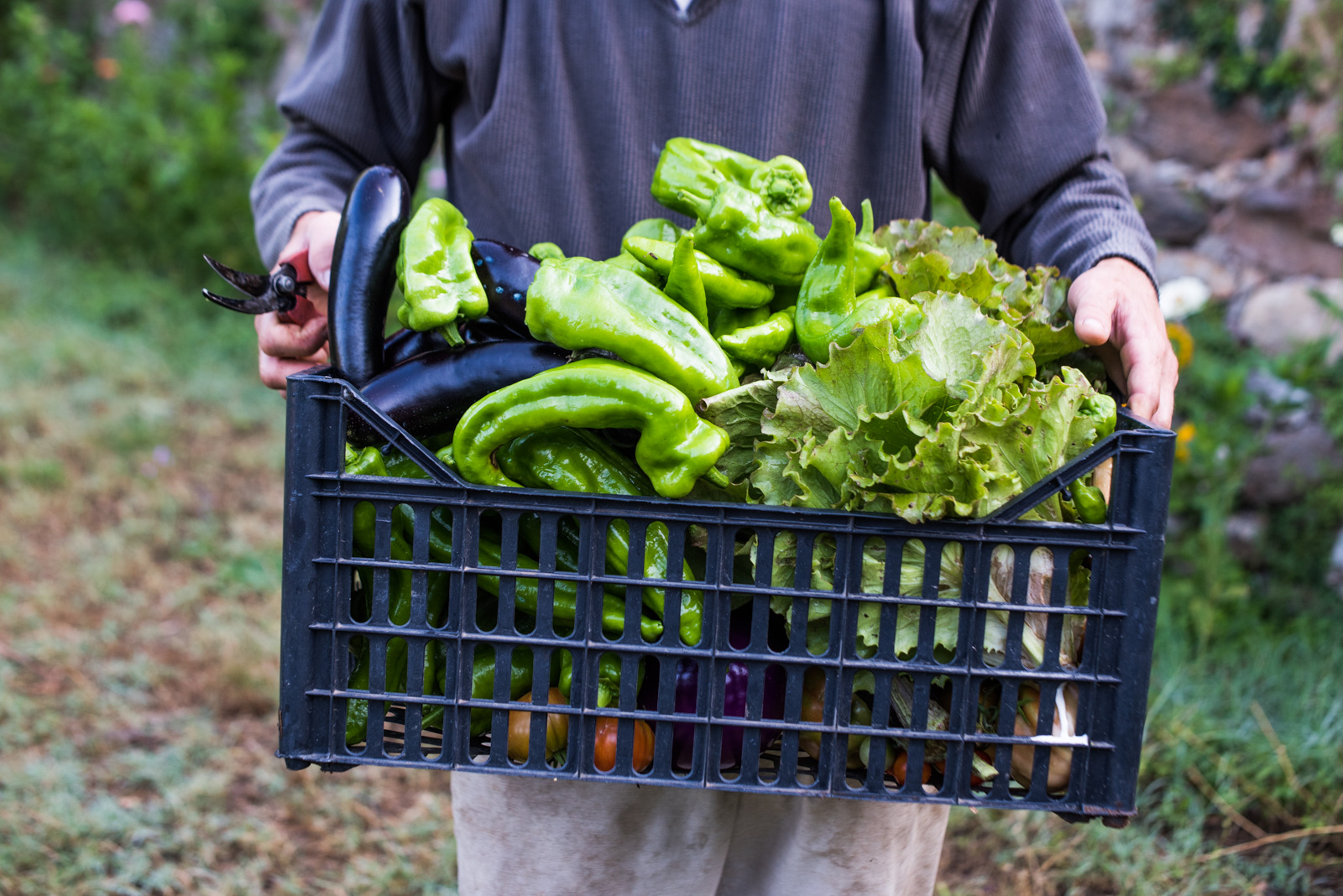
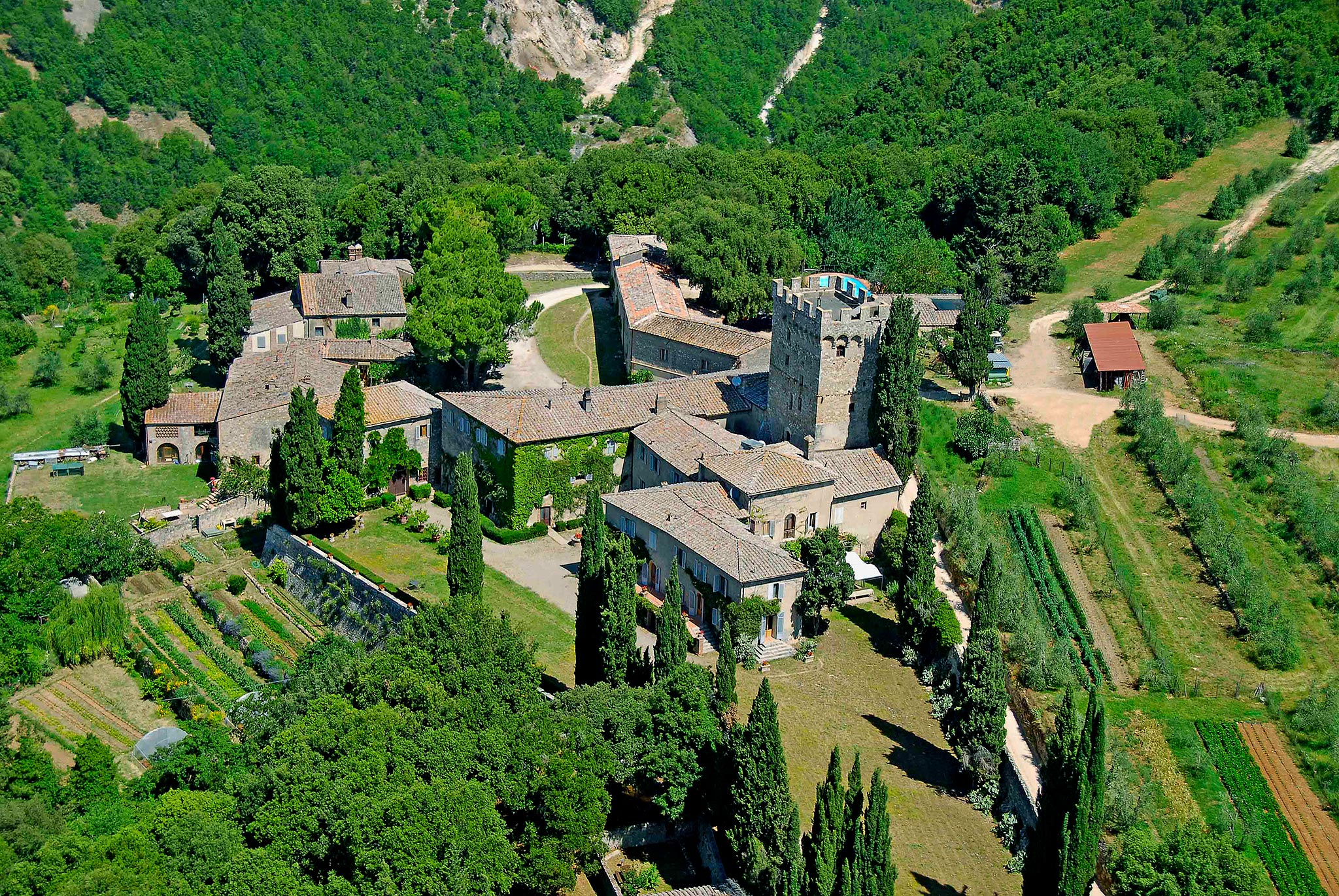
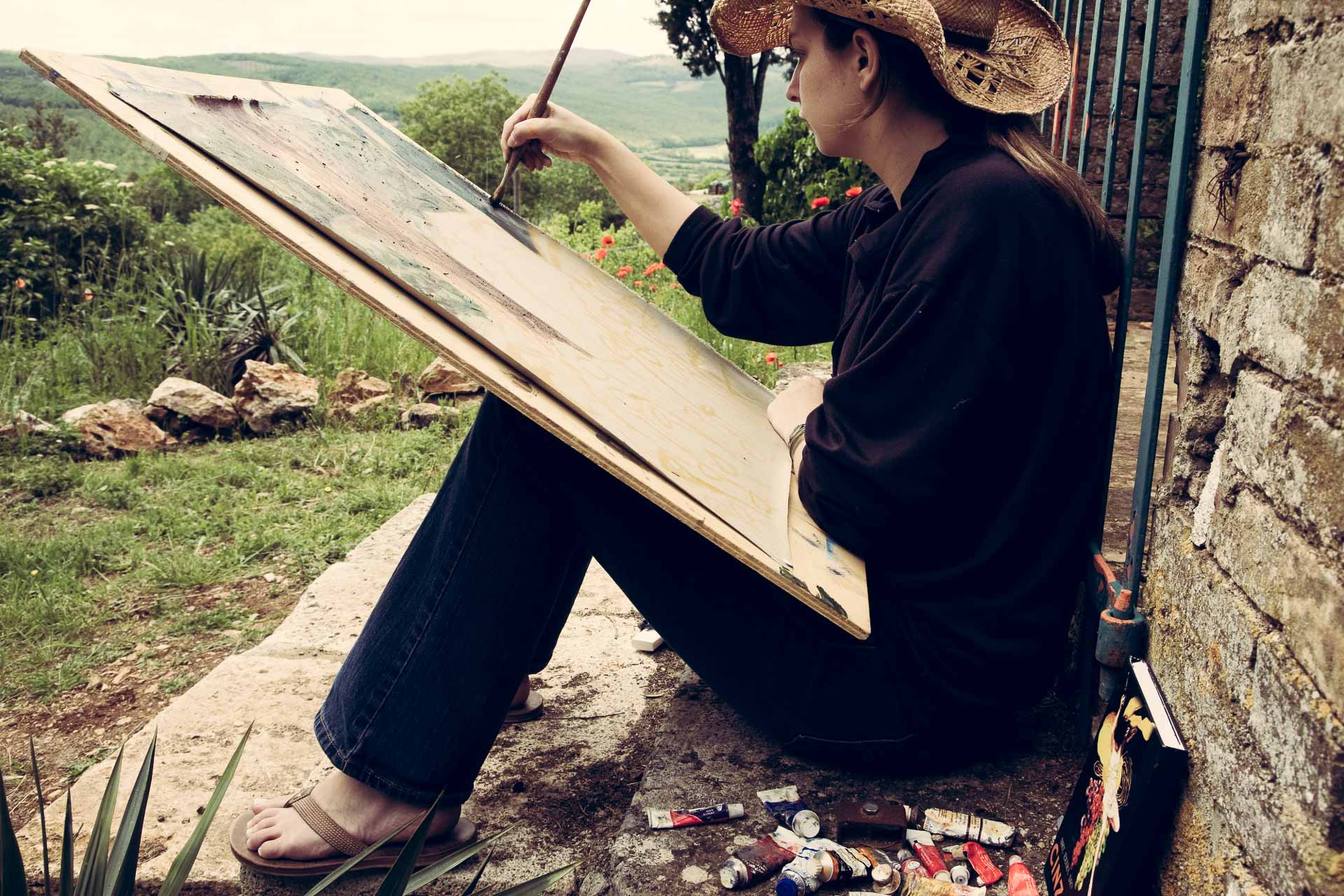
Located on a nature reserve in the hills of Tuscany, the 1100-acre organic farm Tenuta di Spannocchia, hosts guests from around the world. Scholars, artists, musicians and environmentalists visit the historic estate to experience the stunning natural setting and support the farm conservation efforts.
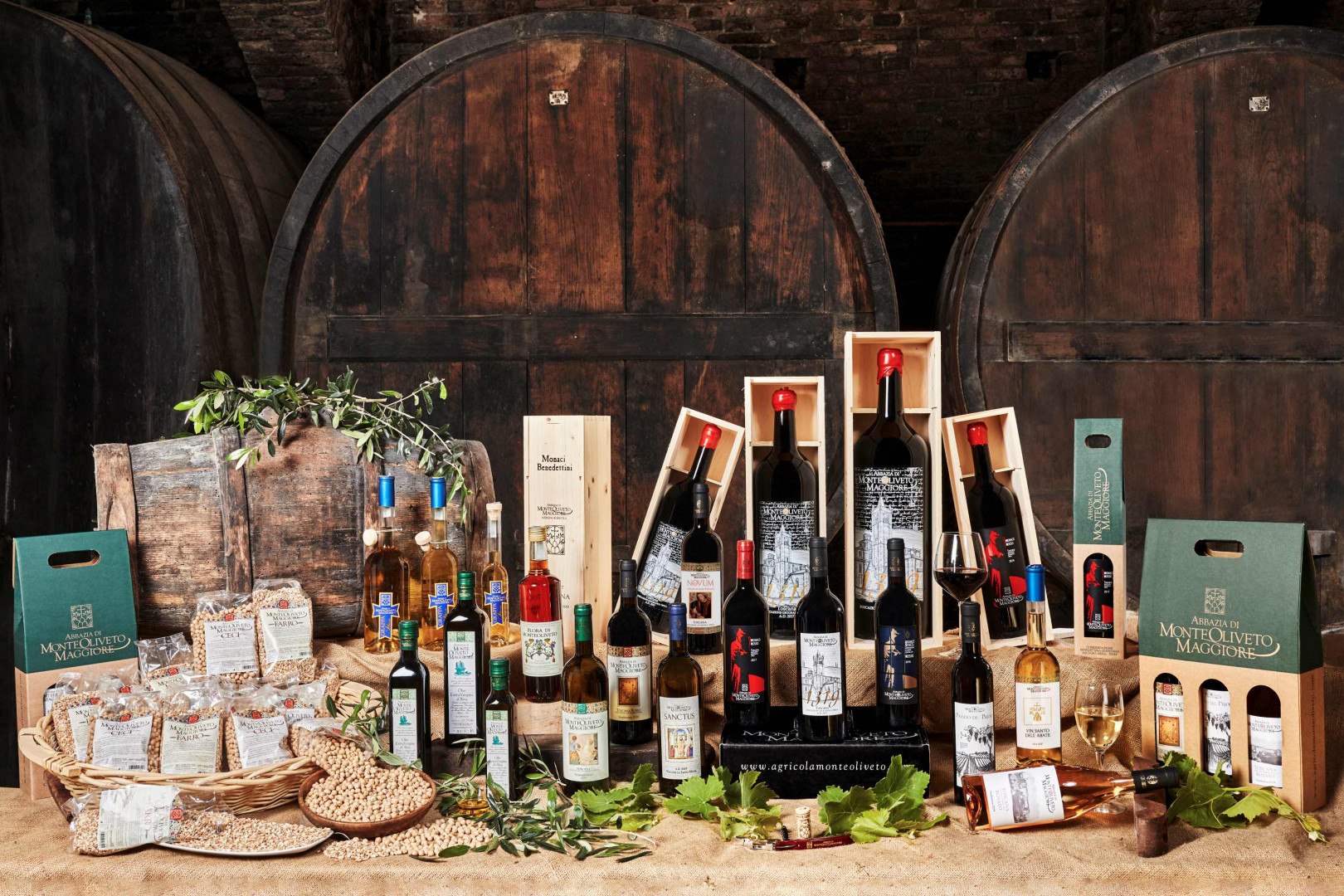
Spannocchia farm is committed to preserve the original property as well as promoting sustainable living. They produce certified organic olive oil, wine and their wonderful vegetable garden provides produce for authentic seasonal cuisine.